
Or how winning the internet in Brazil still wasn’t enough to survive the social media hunger games.

Once Upon a Time, Before Instagram Stories
Before TikTok dances, before Instagram filters, and long before Facebook Groups became everyone’s digital town hall, there was Orkut. And for a while, Orkut wasn’t just popular. It was everything.
Launched by Google in 2004, Orkut quickly became a dominant social networking platform, especially in Brazil. In fact, more than 90 percent of Orkut’s page views came from Brazilian users, and at its peak, the platform attracted tens of millions of users who relied on it to connect with friends, classmates, and communities Orkut.
From a social media marketing perspective, that level of adoption is impressive. So the real question isn’t why Orkut succeeded. It’s why Orkut didn’t last.
Why Orkut Worked (At First)
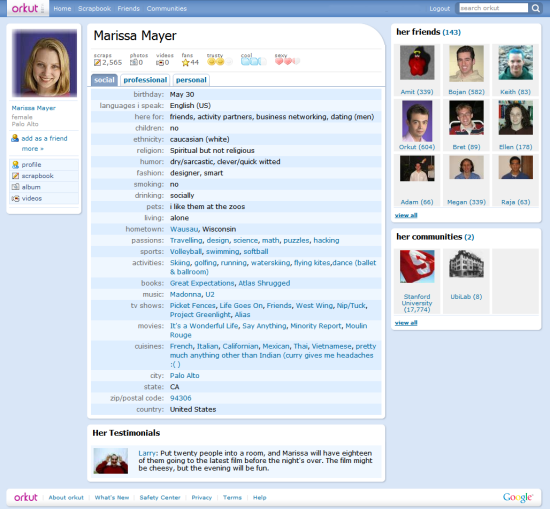
Orkut did several things right, especially when it came to understanding its audience. The platform leaned heavily into community-building, allowing users to join groups based on location, interests, hobbies, and even admiration for public figures. This structure fit perfectly with Brazilian digital culture, which strongly values social connection, conversation, and shared experiences.
Another smart move was Orkut’s invite-only access in its early days. That sense of exclusivity created buzz and demand, a strategy later copied by platforms like Spotify. People didn’t just want Orkut. They wanted to feel chosen by Orkut.
The interface also mattered. Orkut was considered clean, simple, and easy to navigate, which lowered the barrier to participation. Users didn’t need tutorials or guides. They could jump in and start engaging immediately. From a marketing standpoint, Orkut understood that ease of use and community relevance drive early adoption.
Where Orkut Fell Behind
Unfortunately, success can be comfortable. And comfort is dangerous in social media.
One of the biggest issues highlighted in the case study is that Orkut failed to evolve alongside its users. While Brazilian audiences continued to embrace new forms of digital engagement, including richer media, faster mobile access, and more dynamic features, Orkut remained largely stagnant. Competitors entered the market with more flexible platforms that better supported video, mobile-first design, and evolving user behaviors.
Social media is not a “set it and forget it” space. Platforms must continuously adapt to cultural shifts, technological changes, and audience expectations. Orkut’s inability to keep pace meant that once users found better alternatives, switching costs were low. People simply left.
Community vs. Diffusion: Why Orkut Got It Right (Conceptually)
One area where Orkut shines, even in hindsight, is its emphasis on community over traditional diffusion strategies. Instead of pushing brand-driven messages, Orkut allowed users to generate and share content within trusted networks. This aligns with what we’ve learned about digital word-of-mouth being more persuasive than top-down messaging.
Users trusted content coming from people they knew or groups they belonged to more than messages coming directly from brands. This made engagement feel organic rather than forced. From a modern perspective, this looks a lot like Facebook Groups, Reddit communities, or even Discord servers.
The problem wasn’t Orkut’s philosophy. It was execution over time.
The Bigger Lesson for Marketers Today
The Orkut case is a reminder that understanding culture is just as important as understanding technology. Orkut initially succeeded because it aligned with Brazilian social norms and digital behaviors. However, as the broader social media ecosystem evolved, Orkut failed to reassess whether it was still meeting those cultural and functional needs.
In today’s social media landscape, this lesson is especially relevant. Platforms and brands must constantly monitor how users interact, what features they expect, and how cultural trends shape engagement. As discussed in broader conversations about social media and public good, platforms have the power to connect communities, influence behavior, and create belonging, but only if they remain relevant and responsive to change Social Media for the Public Good.
Final Thoughts: Orkut Walked So Others Could Run
Orkut didn’t fail because it was a bad idea. It failed because it stopped growing with its audience. And in social media, standing still is the fastest way to disappear.
For marketers, the takeaway is clear. Success today does not guarantee relevance tomorrow. Communities must be nurtured, platforms must evolve, and strategies must stay rooted in both culture and user behavior.
Orkut may be gone, but its lessons are very much alive.
Further Reading and Case Materials
- Orkut – Case Study (Chapter 11), HCP MBA Orkut
- A Case Study: Orkut, The Beauty Closet A Case Study: Orkut
- Social Media for the Public Good Social Media for the Public Good





 The Blog of Life
Leave a comment