Because apparently one app can text your mom, pay your bills, and call you a cab.
The App I Didn’t Know I Needed (Until I Read This Case)
Confession time: before this case study, I had never heard of Weixin. Turns out, that says way more about me than it does about Weixin.
Weixin, also known globally as WeChat, is a social media and messaging app that launched in China in 2011 and quickly grew into something much bigger. By 2014, it had already evolved far beyond being “just another messaging app.” Calling Weixin a social network almost feels inaccurate, because it does everything. And I mean everything.
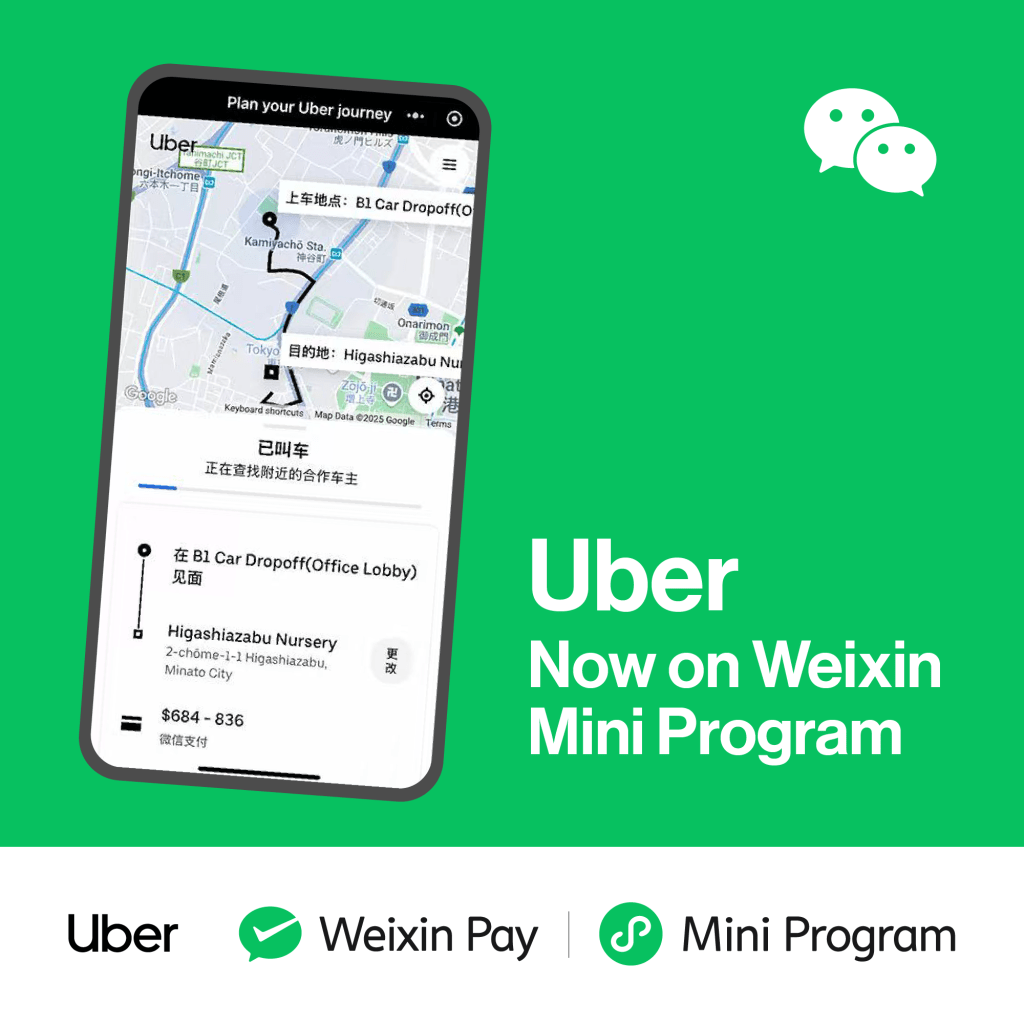
You can message friends, send photos and voice notes, read news, transfer money, pay bills, book transportation, and even run a business, all without leaving the app. At this point, Weixin is less of an app and more of a lifestyle.
Why Did Weixin Work So Well?
One of the major questions raised in the case study is why Weixin succeeded so quickly and so deeply with its users. The short answer is simple: it understood its audience better than most platforms ever will.
Instead of copying Western social media platforms or chasing the newest trends, Weixin focused on how people in China actually live their daily lives. Mobile phones are central to communication, payments, and transportation, so Weixin built its platform around those everyday behaviors. The app reduced friction by keeping users inside one ecosystem rather than forcing them to jump between multiple apps.
From a social media marketing perspective, this is incredibly important. Every extra step a user has to take is a chance for them to disengage. Weixin eliminated those steps and made engagement feel natural instead of forced.
The Red Envelope Campaign: Culture Meets Strategy
One of the most interesting moments in the case study is the Red Envelope campaign, also known as Qiang Hongbao. Traditionally, red envelopes filled with money are given to family and friends during holidays. Weixin digitized this tradition and added a social element by allowing users to send virtual red envelopes to groups, where the money was randomly distributed.
This turned gifting into a shared experience and, honestly, a little bit of a game. During the campaign, millions of users participated and sent tens of millions of red envelopes. What made this campaign so effective was not the technology, but the cultural understanding behind it.
Weixin did not try to invent a new habit. It enhanced an existing one. This is a key lesson for marketers. The strongest campaigns often work because they fit seamlessly into what people already do, rather than asking them to change their behavior.
Engagement That Feels Effortless
Another standout element of Weixin’s success is how effortless engagement feels. Users are not constantly prompted to like, share, or comment. Engagement happens because the app is useful.
Need to pay someone back for dinner? You engage.
Need a ride? You engage.
Want to send money to family? You engage.
From a marketing standpoint, this is powerful. Weixin does not compete for attention the way many platforms do. Instead, it becomes part of users’ daily routines. That level of integration creates loyalty that goes far beyond likes or follower counts.
Could This Model Work Somewhere Else?
The case study also raises the question of whether Weixin’s model could succeed outside of China. The answer is complicated. In Western markets, people are already used to using multiple apps for different purposes. Venmo, Uber, Apple Pay, WhatsApp, and others each serve a specific role.
However, the lesson still applies. Weixin shows that successful social media marketing is not about doing more. It is about doing what matters most to your audience. Understanding culture, habits, and convenience will always outperform flashy features.
What Marketers Should Learn From Weixin
If there is one takeaway from this case study, it is this: social media works best when it adds value to everyday life. Weixin succeeded because it focused on usefulness, cultural relevance, and seamless integration.
For marketers, this means paying attention to how people actually use technology and designing strategies that fit naturally into those behaviors. Engagement should feel helpful, not forced.
Final Thoughts
The Weixin case shows that the most successful social media platforms are not the loudest ones. They are the ones that quietly become essential. By deeply understanding its audience and building around real needs, Weixin created a platform that people rely on daily.
That is the kind of engagement most brands are chasing. And very few ever achieve.
References
HCP MBA. (2023). Weixin Case Study (Chapter 5).
Ramblings of MAC. (2014). What is Weixin (pronounced “way-shin”)?
Digital Marketing. (2024). When One App Does Everything: What Weixin Teaches Us About Knowing Your Audience.






 The Blog of Life
Leave a comment