Posted on my little corner of the internet, where marketing meets real life.
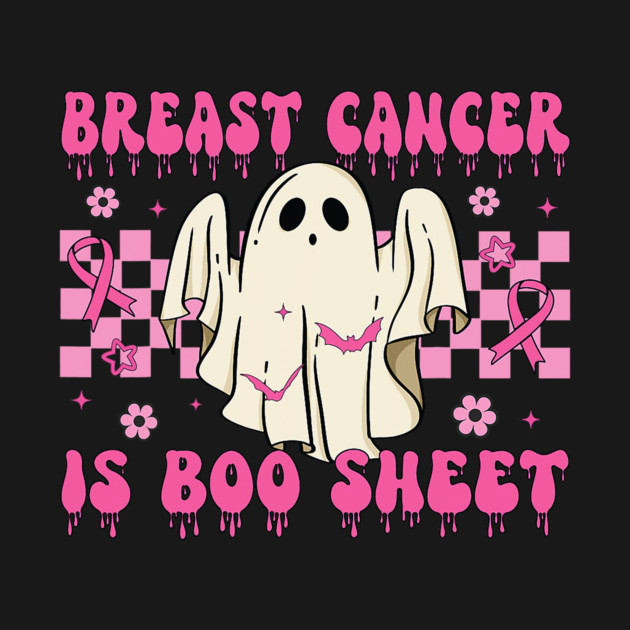
The Meme That Broke the Internet… Sort Of
If you have been on social media for more than ten minutes, you have seen a meme go places it was never meant to go. Some blow up for the better, some spiral straight into chaos, and some, like the viral Breast Cancer Awareness meme, land somewhere awkwardly in the middle.
The case study tells the story of a Facebook campaign where women posted mysterious status updates such as “I like it on the floor” to raise awareness about breast cancer. The twist was that only women were “in on” the joke, while men were left wondering what was going on and why their timelines suddenly sounded like a badly written romance novel.
On one hand, the mystery grabbed attention. On the other hand, it probably raised more eyebrows than awareness.
But in the world of social media, that sort of confusion is pretty normal.
Here is my take on it, part analysis and part friendly rant, on what marketers can learn from this viral moment.
Did It Work as Awareness or Just Confusion
One of the big questions the case study asks is whether the meme actually raised awareness or simply dragged people into a confusing game of digital telephone.
The honest answer is a little of both.
It created buzz, which is usually the first step of any campaign. Social platforms thrive on curiosity, and the meme definitely tapped into that emotion. But buzz without clarity is like giving someone a map with no street names. They might arrive somewhere, but it will not be where you hoped.
Since the meme never directly mentioned breast cancer, the message became watered down. If people need to Google what your campaign is about, you may be losing just as many people as you are reaching.
Still, it did spark conversation. And in the age of TikTok trends and repost everything culture, conversation can be a win on its own.
What This Campaign Accidentally Taught Us About Social Media
This lighthearted meme revealed several deeper truths about online behavior and digital communities.
People love being part of an inside joke
This is the foundation of online groups and fandoms. When people feel like they are part of something exclusive, engagement goes through the roof. Whether it is a coded phrase, an emoji trend, or a challenge, people want to feel included.
This aligns with the community management concepts in our readings such as the idea that audiences want to interact with content and the brand behind it, not just consume it passively Experts Share Top Tips for Comm….
User generated content has unmatched power
The meme spread quickly and organically. No paid ads, no influencers, no scheduling tools. Just people sharing something that felt fun and personal. That kind of reach is incredibly valuable, and almost impossible to replicate with traditional advertising.
Transparency matters more than ever
The downside was that many people felt misled or confused. Awareness campaigns should not require detective work. A vague message might go viral, but it can also weaken trust.
Modern marketing requires clarity and purpose. Audiences can detect confusion within seconds and have no problem scrolling away.
Social Media Has Grown Up Since Then
The case study feels a bit outdated today, not because breast cancer awareness is any less important, but because audiences have changed. Platforms like TikTok, Instagram Reels, and even Facebook Groups reward authenticity, storytelling, and emotional connection far more than cryptic posts.
People want to participate in a cause, not decode it. They want to shape the story rather than guess at it. This lines up with the idea in our course that users are no longer passive viewers but active creators and community members.
What I Would Do Differently Today
If I were redesigning this campaign now, I would keep the spirit but update the strategy.
I would still use a fun hook, but connect it clearly to the cause as quickly as possible. I would encourage people to share personal stories, educate their friends, or tag people who have been their support system. I would include a clear hashtag and a clear call to action, whether that is donating, sharing facts, or participating in an event.
And let us be honest. I would probably turn it into a short form video challenge because eventually everything becomes a challenge anyway.
The Big Lesson
A meme can be powerful even when it is imperfect. The Breast Cancer Awareness meme showed us the delicate balance between attention and confusion. The ideal campaign catches your eye but also makes sure you know what you are looking at.
If anything, this case proves that people are ready to engage if you give them something intriguing, but they stay engaged if you give them something meaningful.
That is the heart of social media marketing. Curiosity brings people in. Community

References
Breast Cancer Meme: A Social Media Marketing Case Study by Ashley Franklin. 2024.
Breast Cancer Meme – Case Study (Chapter 4). HCP MBA Blog. 2023. Breast Cancer
Experts Share Top Tips for Community Management. HubSpot. 2024. Experts Share




 The Blog of Life
Leave a comment